
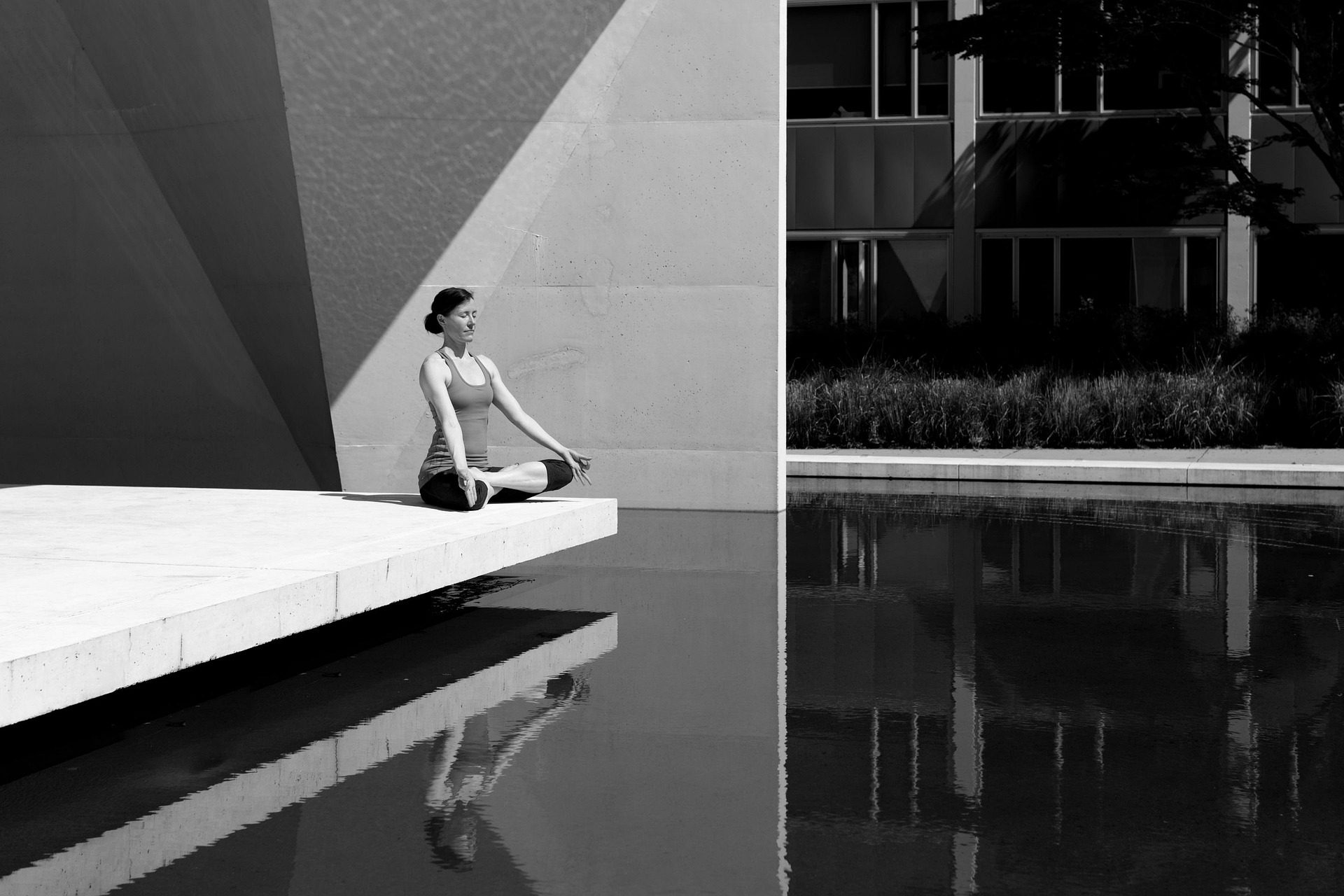
Breathing is something we do automatically, yet it has a powerful influence on mental clarity, emotional balance, and physical control. Many ancient practices and modern stress-management techniques emphasize breath control as a way to calm the mind and strengthen focus.
One simple but effective method is the holding breath technique, where a person intentionally pauses their breath for a short time. When practiced correctly, this technique can help reduce stress, improve concentration, and increase awareness of the body’s natural rhythms.
Understanding how breath-holding works can help individuals use it safely to manage anxiety, build mental discipline, and improve relaxation.
What Is the Holding Breath Technique?
The holding breath technique involves inhaling deeply, holding the breath for a controlled period, and then slowly exhaling. This process helps regulate oxygen and carbon dioxide levels in the body, which can influence the nervous system.
When practiced calmly, breath control can activate the parasympathetic nervous system, the part of the body responsible for relaxation and recovery.
This is why breath-holding exercises are often used in meditation, yoga, and stress management practices.
How Breath-Holding Affects the Mind
When you pause your breathing for a few seconds, the body becomes more aware of oxygen levels. This awareness can create a sense of focus and presence, drawing attention away from distracting thoughts.
Many people report that controlled breath-holding can help with:
- Calming racing thoughts
- Improving concentration
- Increasing emotional control
- Reducing feelings of anxiety
This happens because controlled breathing signals the brain to slow down and relax.
A Simple Breath-Holding Technique
A beginner-friendly method can be practiced almost anywhere.
Step 1: Sit or stand comfortably and relax your shoulders.
Step 2: Take a slow, deep breath through your nose.
Step 3: Hold the breath gently for about 4 to 6 seconds.
Step 4: Slowly release the breath through your mouth.
Step 5: Rest for a few normal breaths before repeating.
Repeating this cycle several times can create a sense of calm and mental clarity.
Benefits of Practicing Breath-Holding
When done safely and regularly, breath-holding techniques may offer several benefits.
Improved Stress Control
Slow breathing and brief pauses help the nervous system shift into a more relaxed state, which can reduce stress levels.
Better Focus
By concentrating on breathing patterns, the mind becomes less distracted and more present in the moment.
Increased Self-Awareness
Breath exercises help individuals become more aware of their body and emotional responses.
Emotional Stability
Controlled breathing can help manage emotional reactions during stressful situations.
Safety and Precautions
Although breath-holding can be beneficial, it should always be practiced carefully and within comfortable limits.
Important precautions include:
- Avoid holding your breath for too long
- Practice in a safe and relaxed environment
- Stop if you feel dizzy or uncomfortable
- People with certain medical conditions should consult a healthcare professional before trying advanced breath techniques
The goal of breath control is calmness and balance, not pushing the body beyond its limits.
Frequently Asked Questions
1. What is the purpose of the breath-holding technique?
It helps improve focus, calm the mind, and regulate breathing patterns.
2. Can breath-holding reduce stress?
Yes. Controlled breathing can activate relaxation responses in the body.
3. How long should someone hold their breath during the exercise?
Beginners usually start with about 4 to 6 seconds and adjust gradually based on comfort.
4. Is breath-holding used in meditation?
Yes. Many meditation and yoga practices use controlled breathing techniques to improve mindfulness.
5. Can anyone practice breath-holding exercises?
Most people can practice simple breath exercises, but those with health concerns should seek medical advice first.
Know That..
The holding breath technique is a simple yet powerful practice that can help calm the mind, improve focus, and strengthen emotional control. By learning to regulate breathing and pause between breaths, individuals can develop greater awareness of their body and mental state. With patience and regular practice, breath control can become a valuable tool for maintaining mental balance and resilience in daily life. 🧘♂️🧠
Leave a Reply